The term “soft teeth” is used to describe teeth susceptible to rapid break down. Decay is prevalent. According to some studies, almost 96% of Americans by age 65 have had one or more cavities. These daunting statistics do not make it a foregone conclusion that everyone will get cavities. There are many things you can do to prevent cavities from happening altogether.
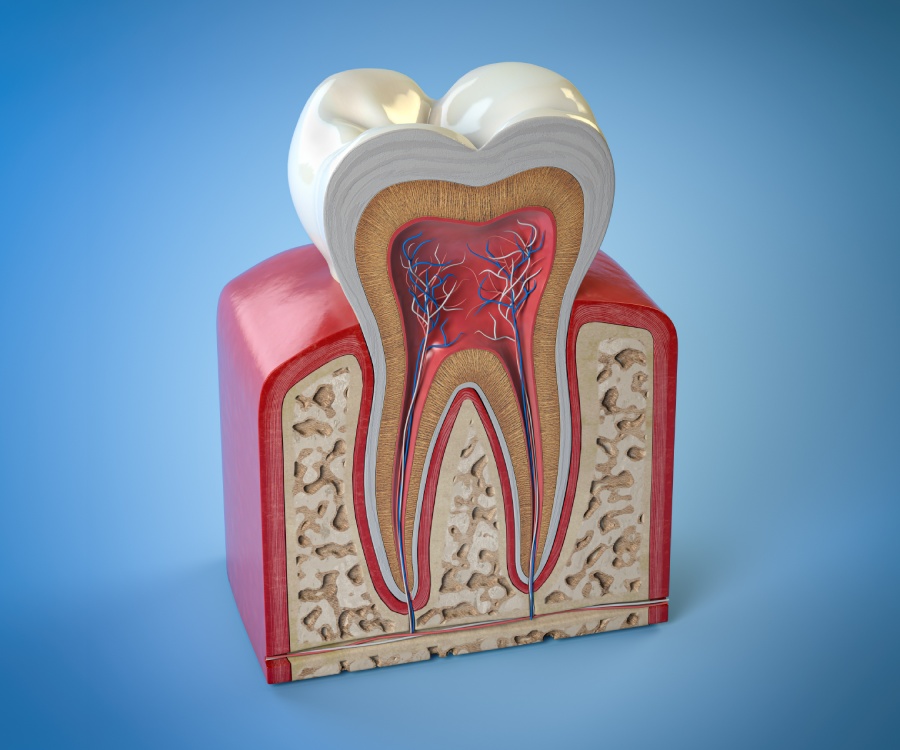
Tooth Anatomy – Enamel
What is tooth enamel?
The top part of our tooth (crown) is covered and protected by a tough material called enamel. It is primarily made up of calcium and phosphate minerals. It is considered to be the hardest tissue in the human body.
Purpose of Enamel
Enamel protects your teeth and the nerves within from the extremely high forces of chewing and grinding. It allows us to break up our food, which aids in digestion and conversion of this food to energy. If the enamel is damaged due to trauma or decay, it does not regenerate and must be repaired.
Most Common Cause of Enamel Break Down
Tooth decay is the most common cause of enamel damage. It occurs when plaque collects in and around teeth. Plaque consists of bacteria, some of which metabolize sugar and create acid as a byproduct. The acid demineralizes and deteriorates enamel, eventually causing holes or cavities.
The most common causes of tooth decay are:
- Sugar from soft drinks
- Sugar from fruit drinks
- Sugar from foods like fruit, cookies or candy
The good news is you can control the intake of these items and see a dramatic decrease in your number of new cavities.
Other Contributing Factors
-
Dry mouth can be caused by medications or by certain medical conditions. Normal saliva flow washes away plaque that causes tooth decay. When salivary flow is diminished, cavities increase.
-
Acid reflux, otherwise known as Gastroesophageal Reflux Disease (GERD), is a disease where excess stomach acids back up into the esophagus and the mouth. Stomach acids are highly acidic and break down teeth. This issue primarily affects the lower back teeth because they are nearest to the esophagus. You should see your doctor if you think you have acid reflux.
-
Many people grind their teeth. Research does not tell us conclusively why people grind their teeth, however, it is extremely common. It occurs more commonly at night. Grinding wears down the enamel of the teeth slowly over time and can be prevented to some degree by using a nightguard.
-
Vomiting is common in people who are receiving chemotherapy and for patients with eating disorders such as bulimia. The highly acidic contents of the stomach break teeth down at a rapid rate.
Everyone was great, from the front desk help to the dentist and cleaning assistant.
What are the signs of decay?
White or Black Spots
White or black spots are a sign of acidity and enamel break down; this is usually an early sign of decay.
Darker Areas on X-rays
X-rays can show signs of decay in the early stages.
Sensitivity
Sensitivity to heat, cold or pressure could be a sign of decay. Sugar can also cause sensitivity.
Cavities
As decay progresses, cavities or holes can form in the enamel.
Food Impaction
If cavities start to form where teeth touch, they will begin getting food impacted.
Pain
Advanced cavities cause pain. Lingering pain to cold is significant, as well as when it worsens at night.
The earlier you address the decay, the better. Do not wait until you experience pain. Usually, it will be much more expensive to treat.

How do you prevent enamel loss?
Prevention is possible but requires changes to daily habits of hygiene and diet. Visiting us regularly is the best way to prevent decay. Once a cavity starts, it will not get better on its own. Regular hygiene visits can remove the plaque that causes cavities or decay. Daily flossing and brushing also help remove the plaque that causes cavities.
Other preventative measures include:
- Brush your teeth after meals and especially if you eat sugar.
- Avoid snacking throughout the day.
- If you have low saliva flow, use biotene® supplements.
- Sugar-free gum helps improve saliva flow.
- Use fluoride toothpaste; it strengthens the enamel and can prevent new cavities.
- Get sealants on your molar teeth.
- The most important time to brush and floss is at night. Our mouth gets drier when we sleep, causing decay to flourish.
- Use oral hygiene tools. We recommend an electric toothbrush like a Sonicare® and Waterpik® to clean between the teeth.
- Eliminate sugar and highly acidic drinks like soda.
How is tooth decay treadted?
The treatment depends on the extent of the damage. In early stages, decay can be treated with a filling. When it gets near the nerve, a root canal is a more appropriate option. Crowns or veneers are used to reinforce a tooth if the majority of it has been damaged by decay or trauma.